Earwax, also called cerumen, is a natural part of our ears and serves a very specific function. It keeps our ears clean by catching dust, germs and other debris before they can reach the eardrum, keeps the skin inside the ear canal hydrated and sloughs off dead skin cells. Cerumen also naturally sheds from our ears when it gets too old, falling out while we walk around or shower.
While cerumen often takes care of itself, it can require an intervention. If you’re wondering when to seek an earwax cleaning, it can help to know what’s abnormal.
What’s Normal
New earwax is produced deep inside your ear canal and starts out yellow or white and sticky in texture. As it ages, it migrates outward and darkens in color, turning into a dark yellow, orange or even brown as it accumulates dirt and dead skin cells. It will also dry out and become flaky, making it easier to fall out of your ear. All these states are common and healthy; the changes in color and texture indicate that the cerumen is doing its job.
What’s Not Normal
There are some colors and textures of cerumen that could indicate there’s a health issue. These include:
- Green or cloudy. This is usually a sign of an ear infection
- Red. Red cerumen indicates there’s blood in your ear canal. Common causes of this are scratches in the ear canal (you shouldn’t ever insert your finger into your ear!), ear injury or even head trauma.
- Gray or black and completely dried out. This cerumen is very old. This usually means that there is a blockage in the ear that is trapping cerumen and preventing it from falling out naturally.
Additionally, there are other signs that might accompany changes in cerumen color and texture that could indicate that something is amiss. Look for symptoms such as:
- Earaches
- A feeling of fullness or pressure in the ear
- Muffled hearing
- Hearing loss
- Tinnitus (ringing in the ear)
Signs You Need an Earwax Cleaning
If you’ve noticed some of the symptoms listed under “What’s Not Normal,” it might be a good idea to consider treating an earwax blockage. You can do these at home with a few drops of baby oil, mineral oil or hydrogen peroxide into the ear canal, followed by warm water. You should never use a cotton swab (e.g., a Q-Tip) to clean your ears, as this can push earwax back into the canal and worsen the blockage.
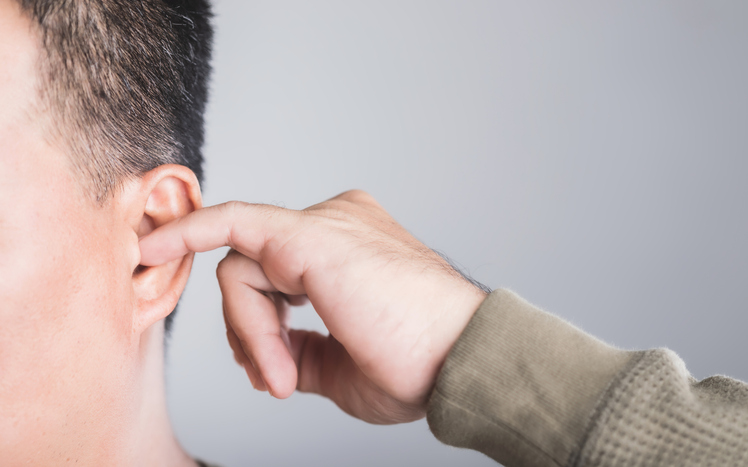
If this at-home remedy doesn’t appear to be working, consult an audiologist for a professional ear cleaning. We also recommend visiting an audiologist immediately if you notice changes in your hearing, especially if you suspect an earwax blockage.
Also, if you wear hearing aids, you might benefit from getting your ears professionally cleaned on a semi-regular basis. This is for two main reasons: First, your hearing aids block the ear canal, so cerumen can get trapped and create a blockage more easily than it would for those who do not wear hearing aids; and second, because cerumen buildup can wreak havoc on your hearing aids and cause major malfunctions.
If you think you might need to see a professional about cleaning the earwax from your ears, contact Bangor Audiology. We would be happy to schedule an appointment for you.