Nearly 20% of the global population has some degree of hearing loss1. Most permanent cases arise when the tiny hair cells in the inner ear that transmit sound to the brain die off. Your degree of hearing loss will depend on how many of those thousands of hair cells have died. If things like noise exposure or illness damage your hearing, it’s still important to protect those remaining hair cells to prevent further hearing loss.
Let’s take a look at a few ways you can safeguard your current hearing ability and help your brain stay active despite hearing loss.
Wear Earplugs at Loud Events
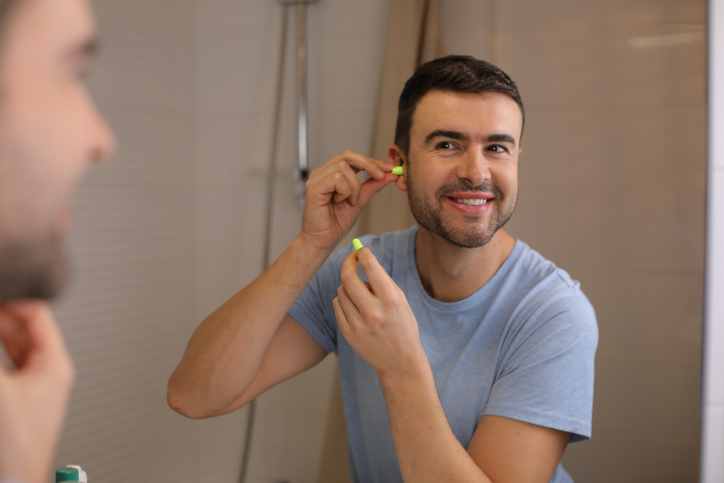
If you’re planning to attend a concert at Circle Square Commons or a local baseball game, bring a pair of earplugs with you. High-fidelity earplugs are a great choice because they lower the volume without sacrificing sound quality, allowing you to enjoy the performance while protecting your ears.
Keep Headphone Volume at a Safe Level
When listening to music, podcasts or videos through your headphones or earbuds, be mindful of the volume. Levels below 80 decibels (dB) are safest for long-term listening. Most smartphones include a headphone safety feature that allows you to set a maximum volume limit, making it easier to protect your hearing every day.
Wear Your Hearing Aids Consistently
If you have hearing aids, wear them every day. Although hearing aids can’t stop hearing loss from progressing, they help your brain receive the sound stimulation it needs to process speech and everyday sounds more effectively. Consistent use can improve communication, reduce listening fatigue and help you stay connected with conversations and the people around you.
Schedule Regular Hearing Tests
Routine hearing tests are an important part of maintaining your ear health. Regular screenings can identify progressing hearing loss early, allowing you and your hearing specialist to address concerns before they interfere with daily communication. Hearing tests are especially important if you work in noisy environments, attend loud events frequently, take medications known to affect hearing or have a family history of hearing loss.
For more information about protecting your hearing or to schedule a hearing test, contact Bangor Audiology today.
Resources:
1 World Health Organization. (n.d.). Hearing loss. World Health Organization. http://www.who.int/health-topics/hearing-loss#tab=tab_1